


No products in the cart.

RESNET HERS Rater Training
Our RESNET HERS Rater Training program will give you the knowledge necessary to provide homeowners and home builders a detailed analysis of energy consumption and options to save money by conserving energy.
This course will teach you how to help builders and architects improve home energy efficiency and provides instruction for energy efficiency analysis using the house-as-a-system approach.
ONLINE
ALL SKILL LEVELS
20 HOURS
$1,899
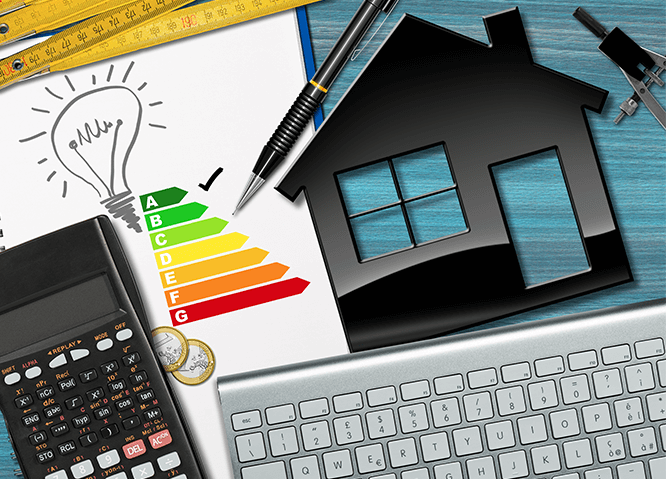
WHY TAKE RESNET HERS RATER TRAINING
Become a Home Energy Rater
Get certified to offer home energy audits and home energy ratings on new construction homes!

Upskill Quickly
Though experience in HVAC or construction is helpful, this program has no prerequisites. We'll teach you everything you need to know to pass the exams, get certified, and expand your business.
Expand Your Business
If you already work in the residential construction industry, the HERS Rater Certification will enable you to add more services to your business. Attract new clients looking for home energy audits and home energy ratings.
Qualify for Tax Credit & Rebates
The HERS Rater Certification can help you qualify for tax credit and rebate programs. The HERS Index is mentioned in many utilities' New Homes programs, so you'll open a whole new line of business opportunities by earning this title.
"Recent code requirements intrigued me to pursue the training as a business opportunity. I am confident with what I learned and experienced that I can move forward with my business plan. Thank you for a great course!!"
- Rick Bamberger
HOW IT WORKS
How to Become a HERS Rater
To become a certified HERS Rater, you have to complete training, pass all certification exams, sign up with a Quality Assurance Provider, and complete 5 practice audits within a year timeframe.

1. Take Our Course
Our self-paced online program consists of several short video presentations. Simply follow along on your computer.

2. Schedule Your Exams
Arrange a testing session at a local library or community college that offers test-proctoring services.

3. Sign Up for QA
Your RESNET Quality Assurance Provider will mentor, and ultimately certify, you after verifying that you've completed all of the requirements.
TOPICS
Get 6 Months Access
This course is aligned with the RESNET technical standards and covers the following topics:

What You'll Learn
- HERS Index Overview
- Building Structure & Drawings
- Construction Math
- Principles of Energy & Heat
- Blower Door & Duct Testing
- Mechanical Systems
- Combustion Safety
- Energy Modeling
- Health & Safety
- Energy-Efficient Mortgages
PRICING
Start Your RESNET HERS Rater Training Online
Gain instant access so you can start training today!
RESNET HERS Rater Training
START TODAY
$1,899
Program Highlights
Start Now & Access Self-Guided Content
Log In & Participate Any Time 24/7
20 Hours of Online HERS Rater Training
Includes Trial License to Energy Modeling Software
Includes 2 Probationary Ratings from Plans
Includes Online Practice Questions
Includes All RESNET HERS Rater Exams & Fees
Access to Course Materials for 6 Months
Everblue Certificate of Completion
"All around great experience!! Taking this course makes you exam and field ready. The course material was presented in a way that was easy to understand and not feel overwhelmed."
- Adam Zaytoun
FAQs
Quick Answers to Your RESNET Questions
Who is this class intended for?
The course is ideal for home energy auditors, home inspectors, code officials, general contractors, HVAC technicians, weatherization contractors, and anyone who shares the belief that homes should be built with energy efficiency in mind right from the start.
Will I be certified after taking this course?
Not immediately, no. There are two parts to HERS Rater Certification - training/exams and quality assurance. This package satisfies the first part. You will still need to sign up for a membership with an approved RESNET Quality Assurance Provider. For more information, call us at (800) 460-2575. In general, it typically takes a candidate 6-8 months to complete all of the certification requirements.
Are there any additional expenses?
There is a fee for each QA rating review as well as an annual fee associated with your RESNET QA membership. Should you decide to start your own HERS rating business, you'll want to research liability insurance from Lockton Affinity and energy auditing equipment fees. Our students receive discounted rates on equipment from Retrotec, The Energy Conservatory, and TruTech Tools.
Why choose Everblue’s HERS Rater Training program?
Everblue has been an Accredited Rater Training Provider since 2010, and we are listed on the RESNET website as the top-rated training provider.
We’ve also trained a significant portion of the Raters listed on the Mass Save website with regard to its Residential New Construction Program and associated energy efficiency incentives.
With our nationwide reach, accessible online training, and superior customer service, we’ve helped more professionals earn HERS Rater Certification than any other provider and have consistently received positive reviews from our students. Grow your career with Everblue!